Canada’s winter season is known for its harsh and freezing temperatures, which can pose significant challenges to homeowners, particularly when it comes to plumbing. Failing to properly winterize your plumbing system can lead to frozen pipes, burst lines, and costly water damage. In this blog, we’ll explore why winterizing your plumbing is crucial in Canada, the risks of neglecting it, and provide a step-by-step guide on how to protect your home’s plumbing during the cold months.
Why Winterizing Your Plumbing Is Essential
Canada’s winter temperatures can plummet well below freezing, making your home’s plumbing system vulnerable to freezing. When water freezes, it expands, putting immense pressure on pipes, which can cause them to burst. A burst pipe can release hundreds of gallons of water in a short time, leading to extensive damage to your home’s structure, flooring, walls, and personal belongings.
Moreover, the cost of repairing water damage and replacing burst pipes can be significant. Beyond the financial impact, there’s also the inconvenience of being without water during repairs, which can disrupt your daily life. Winterizing your plumbing ensures that your home is protected against these risks, providing peace of mind during the cold season.
Risks of Not Winterizing Your Plumbing
Failing to winterize your plumbing can lead to several severe issues:
- Frozen Pipes: When water inside pipes freezes, it can block the flow of water, leading to a lack of water supply and potential bursts.
- Pipe Bursts: Frozen water expands, increasing pressure on the pipes. This can cause pipes to crack or burst, leading to flooding and significant water damage.
- Water Damage: A burst pipe can release a large amount of water, leading to flooding. Water damage can affect your home’s structure, cause mold growth, and ruin personal belongings.
- High Repair Costs: The cost of repairing or replacing burst pipes and fixing water damage can be substantial. Additionally, there may be secondary costs related to mold remediation or restoring damaged flooring and walls.
- Disruption to Daily Life: A plumbing failure in winter can leave you without running water, making it difficult to perform everyday tasks like cooking, cleaning, or bathing until repairs are completed.
Given these risks, winterizing your plumbing is a proactive step to protect your home and avoid costly repairs and inconveniences.
How to Winterize Your Plumbing: A Step-by-Step Guide
Winterizing your plumbing involves preparing both the interior and exterior plumbing systems of your home. Here’s how to do it:
1. Insulate Exposed Pipes
- Identify Vulnerable Areas: Check your home for exposed pipes, especially those in unheated areas like basements, attics, garages, and crawl spaces.
- Use Pipe Insulation: Wrap these pipes with foam pipe insulation to help prevent freezing. Insulation materials are affordable and available at most hardware stores.
- Heat Tape: For extra protection, especially in areas with severe cold, consider using heat tape or heat cables along the pipes. These electrically powered tapes keep pipes warm and prevent freezing.
2. Seal Gaps and Cracks
- Inspect Your Home: Look for any gaps, cracks, or openings around windows, doors, and in walls near pipes. Cold air entering your home can quickly freeze pipes.
- Caulk and Seal: Use caulking or weather stripping to seal any gaps or cracks. This not only helps keep your pipes warm but also improves your home’s overall energy efficiency.
3. Disconnect and Drain Outdoor Hoses
- Remove Hoses: Disconnect all garden hoses from outdoor faucets. Leaving hoses connected can cause water to back up into the faucets and freeze, leading to bursts.
- Drain the Faucets: After disconnecting the hoses, drain any remaining water from the outdoor faucets. Consider installing frost-free spigots, which automatically drain water to prevent freezing.
4. Shut Off and Drain Outdoor Water Lines
- Locate the Shut-Off Valve: Find the shut-off valve that controls water flow to outdoor faucets and sprinkler systems. It’s typically located inside your home.
- Shut Off the Valve: Turn off the valve to stop water from reaching outdoor lines. Then, open the outdoor faucets to drain any remaining water. Leave the faucets open throughout winter to allow any residual water to escape.
5. Protect Your Sump Pump
- Check the Discharge Line: Ensure that your sump pump’s discharge line is clear of debris and not blocked by snow or ice. A blocked line can cause the pump to fail, leading to basement flooding.
- Insulate the Discharge Line: If possible, insulate the discharge line to prevent freezing. Consider installing a sump pump backup system, such as a battery-operated pump, in case of power outages during winter storms.
6. Keep Your Home Warm
- Maintain a Consistent Temperature: Keep your home’s thermostat set to at least 55°F (13°C), even when you’re away, to prevent pipes from freezing.
- Open Cabinet Doors: In areas where pipes are located inside cabinets, such as under sinks, open the cabinet doors to allow warm air to circulate around the pipes.
7. Prepare Your Water Heater
- Insulate the Heater: If your water heater is located in an unheated area, consider insulating the heater and the surrounding pipes to prevent heat loss and freezing.
- Drain the Tank: If you plan to be away for an extended period during winter, consider draining the water heater to prevent damage.
8. Drain the Water System (If Vacating Your Home)
- Shut Off the Main Water Supply: If you’re leaving your home for an extended time during winter, shut off the main water supply.
- Drain All Faucets and Appliances: Open all faucets and drain any appliances that use water, such as washing machines and dishwashers, to remove any remaining water from the system.
- Consider Using Antifreeze: In areas where draining isn’t possible, such as toilets and traps, consider using non-toxic antifreeze to prevent freezing.
Conclusion
Winterizing your plumbing is a crucial step in protecting your home during Canada’s harsh winter months. By taking these preventative measures, you can avoid the costly and inconvenient consequences of frozen or burst pipes. Remember, it’s always better to invest a little time and effort into winterizing your plumbing now than to deal with the aftermath of a plumbing emergency later.
If you need any supplies or professional advice on winterizing your plumbing, visit KBHS. We offer a wide range of plumbing products and expert guidance to help you prepare your home for winter.
| Main Topic | Subtopics |
|---|---|
| 1. Introduction to Winterizing Plumbing | Why Winterizing is Essential in Canada Overview of Risks Without Proper Winterization |
| 2. Understanding Canadian Winters | Canadian Climate Zones Common Winter Challenges for Plumbing |
| 3. Potential Risks of Not Winterizing Plumbing | Frozen Pipes Burst Pipes Water Damage Increased Repair Costs |
| 4. Key Areas to Winterize in Your Home | Outdoor Faucets Indoor Pipes Water Heaters Sump Pumps |
| 5. Insulating Pipes | Types of Insulation Materials How to Properly Insulate Pipes Benefits of Pipe Insulation |
| 6. Draining and Shutting Off Water Systems | Draining Outdoor Faucets Shutting Off and Draining Indoor Systems Draining Sprinkler Systems |
| 7. Preventing Frozen Pipes | Keeping Indoor Temperatures Consistent Using Heat Tape Maintaining a Drip |
| 8. Winterizing Outdoor Plumbing Features | Garden Hoses Pools and Spas Irrigation Systems |
| 9. Protecting Water Heaters During Winter | Adjusting the Temperature Insulating the Water Heater Regular Maintenance |
| 10. Using Smart Technology for Winterization | Smart Thermostats Leak Detectors Remote Monitoring Systems |
| 11. Professional vs. DIY Winterization | Benefits of Hiring a Professional DIY Winterization Tips Cost Comparison |
| 12. Maintenance During Winter Months | Regular Inspections Signs of Potential Issues Emergency Preparations |
| 13. Common Mistakes to Avoid When Winterizing | Overlooking Certain Areas Incorrect Insulation Failing to Drain Completely |
| 14. Regional Considerations for Winterizing Plumbing | Specific Needs for Northern Canada Coastal vs. Inland Considerations |
| 15. The Economic Benefits of Winterizing | Reducing Repair Costs Lowering Insurance Premiums Increasing Home Value |
| 16. Preparing for Spring Thaw | Checking for Damage Reconnecting Water Systems Gradual Reintroduction of Water |
| 17. Conclusion | Recap of Winterization Importance Final Tips for Canadian Homeowners |
| 18. Frequently Asked Questions (FAQs) | What are the most common signs of frozen pipes? How much does professional winterization cost? Can I winterize my plumbing without professional help? What should I do if my pipes freeze despite winterizing? How often should I check my plumbing during winter? Is winterizing necessary in milder Canadian regions? |
The Importance of Winterizing Your Plumbing in Canada
1. Introduction to Winterizing Plumbing
Winterizing your plumbing is a crucial task for Canadian homeowners, as the harsh winter conditions can wreak havoc on plumbing systems if not properly prepared. Winterizing involves a series of preventive measures designed to protect your plumbing from freezing temperatures, which can cause significant damage. In this guide, we’ll explore why winterizing your plumbing is so important in Canada and provide comprehensive advice on how to protect your home during the colder months.
2. Understanding Canadian Winters
Canadian Climate Zones
Canada’s diverse climate zones mean that winter weather can vary greatly from one region to another. From the milder winters in coastal British Columbia to the extreme cold in the northern territories, understanding the specific climate of your region is essential when planning to winterize your plumbing.
Common Winter Challenges for Plumbing
Regardless of where you live in Canada, winter poses several challenges for plumbing systems. These include the risk of frozen pipes, which can lead to blockages and potential bursts, as well as the added stress on water heaters and other plumbing components. Addressing these challenges before the onset of winter can save you from costly repairs and water damage.
3. Potential Risks of Not Winterizing Plumbing
Frozen Pipes
Frozen pipes are one of the most common issues in Canadian homes during winter. When water inside the pipes freezes, it expands, increasing the pressure within the pipe. This can lead to cracks or bursts, resulting in significant water damage once the ice thaws and water begins to flow again.
Burst Pipes
A burst pipe can cause catastrophic damage to your home, flooding rooms, damaging floors, walls, and ceilings, and leading to expensive repair bills. Burst pipes are often the result of freezing, making it crucial to ensure your pipes are adequately protected against the cold.
Water Damage
The water damage caused by burst pipes can lead to mold growth, structural damage, and the destruction of personal property. Even minor leaks, if left unchecked, can result in significant long-term damage, underscoring the importance of thorough winterization.
Increased Repair Costs
Neglecting to winterize your plumbing can result in emergency repairs, which are often more expensive due to the urgency and the extent of the damage. Proactively winterizing your plumbing can save you thousands of dollars in potential repair costs.
4. Key Areas to Winterize in Your Home
Outdoor Faucets
Outdoor faucets are particularly vulnerable to freezing temperatures. Disconnect and drain any garden hoses, and ensure that the faucets themselves are drained. Consider installing frost-free hose bibs for added protection.
Indoor Pipes
Pipes located in unheated areas of your home, such as basements, attics, or garages, are at high risk of freezing. Insulate these pipes to help retain heat and prevent freezing.
Water Heaters
Your water heater works harder during the winter months. Ensuring it’s properly insulated can help it run more efficiently and prevent any freezing issues, particularly in extremely cold climates.
Sump Pumps
Sump pumps are essential for preventing basement flooding. During the winter, it’s important to ensure that the discharge line is not blocked or frozen, which could cause the pump to fail.
5. Insulating Pipes
Types of Insulation Materials
There are several insulation materials available to protect your pipes from freezing. Foam pipe insulation, fiberglass wraps, and heat tape are all effective options. Foam insulation is easy to install and provides good protection against freezing.
How to Properly Insulate Pipes
To properly insulate your pipes, ensure that the insulation covers the entire length of the pipe, including bends and joints. For pipes located in especially cold areas, consider using a combination of foam insulation and heat tape for maximum protection.
Benefits of Pipe Insulation
Insulating your pipes not only prevents freezing but also helps reduce heat loss, improving the energy efficiency of your home. This can result in lower heating bills during the winter months and reduce the strain on your heating system.
6. Draining and Shutting Off Water Systems
Draining Outdoor Faucets
Before winter sets in, it’s crucial to drain any water remaining in outdoor faucets. Turn off the water supply to these faucets from inside your home, open the faucet to drain any residual water, and leave it open throughout the winter.
Shutting Off and Draining Indoor Systems
For pipes that won’t be used during the winter, such as those in summer cabins or unused areas of the home, it’s a good idea to shut off the water supply and drain the pipes completely. This eliminates the risk of freezing and bursting.
Draining Sprinkler Systems
Sprinkler systems can be particularly vulnerable to freezing. Drain the system entirely, including any above-ground components, and consider using compressed air to blow out any remaining water in the lines.
7. Preventing Frozen Pipes
Keeping Indoor Temperatures Consistent
Maintaining a consistent temperature throughout your home can prevent pipes from freezing. Set your thermostat to at least 55°F (13°C), even when you’re not home, to ensure that indoor pipes remain warm enough.
Using Heat Tape
Heat tape is an effective solution for pipes that are particularly vulnerable to freezing. It wraps around the pipe and provides a low level of heat to keep the water inside from freezing. Be sure to follow the manufacturer’s instructions for safe use.
Maintaining a Drip
During extreme cold, allowing a small drip of water to flow through your faucets can help prevent freezing. The continuous movement of water, even at a slow rate, makes it less likely to freeze inside the pipes.
8. Winterizing Outdoor Plumbing Features
Garden Hoses
Garden hoses should be disconnected from outdoor faucets, drained, and stored indoors during the winter. Leaving a hose connected can cause water to back up into the faucet and freeze, leading to potential damage.
Pools and Spas
If you have a pool or spa, proper winterization is crucial. Drain the water to the appropriate level, clean and store any removable components, and use a pool cover to protect against debris and freezing temperatures.
Irrigation Systems
Winterizing your irrigation system involves draining all water from the system and ensuring that no water is left in the pipes, which could freeze and cause cracks. Blowing out the system with compressed air is an effective method to ensure it’s fully drained.
9. Protecting Water Heaters During Winter
Adjusting the Temperature
During winter, you may want to increase the temperature setting on your water heater to ensure a consistent supply of hot water, especially during extremely cold spells. However, keep it below 120°F (49°C) to prevent scalding and conserve energy.
Insulating the Water Heater
Insulating your water heater with a water heater blanket can reduce heat loss and improve efficiency. This is especially important in colder areas, where the ambient temperature can cause the heater to work harder.
Regular Maintenance
Regular maintenance of your water heater is essential, particularly in winter. Check for any leaks, flush the tank to remove sediment, and inspect the pressure relief valve to ensure it’s functioning properly.
10. Using Smart Technology for Winterization
Smart Thermostats
Smart thermostats can help you maintain consistent temperatures throughout your home, even when you’re not there. They can be programmed to keep the temperature at a safe level to prevent pipes from freezing while optimizing energy use.
Leak Detectors
Installing smart leak detectors in areas prone to leaks, such as under sinks or near water heaters, can provide early warning of a potential problem. These devices can alert you via your smartphone, allowing you to take action before significant damage occurs.
Remote Monitoring Systems
For homes that are left unoccupied during the winter, remote monitoring systems can be a valuable investment. These systems allow you to monitor temperature and water flow in real-time, giving you peace of mind and the ability to address issues immediately.
11. Professional vs. DIY Winterization
Benefits of Hiring a Professional
Hiring a professional to winterize your plumbing ensures that all aspects of your system are protected. Professionals have the experience and tools needed to properly insulate pipes, drain systems, and identify potential issues that might be overlooked in a DIY approach.
DIY Winterization Tips
If you prefer to winterize your plumbing yourself, there are many resources available to guide you through the process. Be thorough and take your time to ensure all steps are completed properly. This includes checking all pipes, draining systems, and ensuring adequate insulation.
Cost Comparison
While professional winterization can be more expensive upfront, it can save you money in the long run by preventing costly repairs. DIY winterization is more cost-effective but requires time, effort, and some level of expertise to ensure it’s done correctly.
12. Maintenance During Winter Months
Regular Inspections
Even after winterizing your plumbing, it’s important to conduct regular inspections throughout the winter months. Look for signs of frost on pipes, leaks, or any other issues that could indicate a problem.
Signs of Potential Issues
Watch for signs of freezing, such as reduced water flow, strange noises in your plumbing, or visible frost on pipes. These are indicators that a pipe might be close to freezing, and immediate action is needed.
Emergency Preparations
Be prepared for emergencies by knowing where your main water shut-off valve is located and how to use it. Have the contact information for a reliable plumber on hand, and consider having emergency supplies, such as a space heater or heat tape, readily available.
13. Common Mistakes to Avoid When Winterizing
Overlooking Certain Areas
One common mistake is overlooking areas of your home that might not be frequently used, such as basements, attics, or crawl spaces. These areas are often the most vulnerable to freezing, so be sure to check and winterize them thoroughly.
Incorrect Insulation
Improperly insulating pipes or using the wrong type of insulation can leave your pipes vulnerable to freezing. Make sure to use appropriate materials and techniques for your specific plumbing setup.
Failing to Drain Completely
Incomplete draining of outdoor faucets, sprinkler systems, or other water lines can lead to freezing and potential damage. Double-check that all water has been drained and that no water remains trapped in the lines.
14. Regional Considerations for Winterizing Plumbing
Specific Needs for Northern Canada
In Northern Canada, where temperatures can drop significantly below freezing, more robust winterization techniques are needed. This may include additional insulation, the use of heat tape, and more frequent monitoring of plumbing systems.
Coastal vs. Inland Considerations
Coastal areas of Canada may experience milder winters but still require winterization to protect against occasional cold snaps. Inland areas, with more consistent and severe cold, will need more extensive measures to protect plumbing.
15. The Economic Benefits of Winterizing
Reducing Repair Costs
By winterizing your plumbing, you can avoid the high costs associated with repairing burst pipes and water damage. The investment in winterization is minimal compared to the potential expenses of emergency plumbing repairs.
Lowering Insurance Premiums
Some insurance companies offer discounts on home insurance premiums if you can demonstrate that your plumbing has been properly winterized. This is because winterization reduces the risk of claims related to water damage.
Increasing Home Value
A well-maintained and properly winterized home is more attractive to potential buyers. It shows that the home has been cared for and reduces the likelihood of plumbing-related issues, which can positively impact the home’s value.
16. Preparing for Spring Thaw
Checking for Damage
As winter ends and temperatures begin to rise, it’s important to inspect your plumbing for any signs of damage caused by freezing. Look for leaks, drips, or any other issues that might have developed over the winter.
Reconnecting Water Systems
Reconnect any outdoor faucets, irrigation systems, and other water features that were shut off or drained during the winter. Gradually reintroduce water to these systems to avoid sudden pressure that could cause damage.
Gradual Reintroduction of Water
When turning the water back on, do so gradually to prevent pressure surges that could damage your pipes. Start with low pressure and check for any leaks or issues before returning to full water flow.
17. Conclusion
Winterizing your plumbing in Canada is an essential task that protects your home from the damaging effects of freezing temperatures. By taking the time to properly insulate pipes, drain systems, and use smart technology, you can prevent costly repairs, maintain the efficiency of your plumbing, and ensure your home stays safe and dry throughout the winter months.
18. Frequently Asked Questions (FAQs)
1. What are the most common signs of frozen pipes?
Reduced water flow, visible frost on pipes, and unusual noises in your plumbing system are common signs of frozen pipes.
2. How much does professional winterization cost?
The cost varies depending on the size of your home and the extent of the winterization needed, but it typically ranges from $100 to $500.
3. Can I winterize my plumbing without professional help?
Yes, many homeowners successfully winterize their plumbing on their own by following proper guidelines and using the right materials.
4. What should I do if my pipes freeze despite winterizing?
If your pipes freeze, turn off the main water supply and try to gently thaw the pipes using a space heater or hair dryer. Avoid using open flames. If you cannot safely thaw the pipes, call a plumber.
5. How often should I check my plumbing during winter?
It’s advisable to check your plumbing at least once a month during the winter for any signs of freezing or leaks.
6. Is winterizing necessary in milder Canadian regions?
Yes, even in milder regions, unexpected cold snaps can cause pipes to freeze. It’s always better to be prepared and take preventive measures.
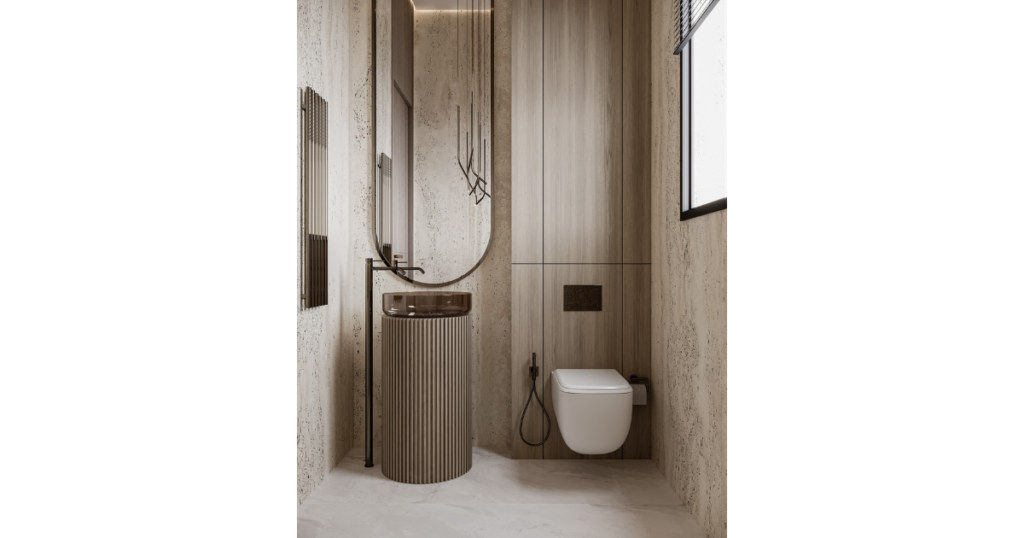
Plumbing issues are a common occurrence in homes across Canada. Whether you live in a bustling city or a quiet rural area, understanding these common problems and how to fix them can save you time, money, and stress. In this blog, we’ll explore ten of the most common plumbing issues faced by Canadian homeowners and provide some tips on how to address them.
1. Leaky Faucets
Leaky faucets are one of the most frequent plumbing issues. The constant dripping not only wastes water but can also lead to higher utility bills.
How to Fix It:
- Turn off the Water Supply: Start by shutting off the water supply to the faucet.
- Disassemble the Faucet: Remove the handle to access the internal components.
- Replace the Washer: The most common cause of a leak is a worn-out washer. Replace it with a new one.
- Reassemble the Faucet: Put everything back together and turn on the water to check if the leak is resolved.
2. Running Toilets
A running toilet can waste a significant amount of water, potentially increasing your water bill by hundreds of dollars.
How to Fix It:
- Check the Flapper: The flapper may not be sealing properly, allowing water to flow continuously. Replace it if necessary.
- Adjust the Float: Ensure the float is set to shut off the water at the correct level.
- Inspect the Fill Valve: If the toilet still runs, you may need to replace the fill valve.
3. Clogged Drains
Clogged drains can cause water to back up, leading to unpleasant odors and potential water damage.
How to Fix It:
- Use a Plunger: A plunger can often dislodge the blockage in sinks, showers, or toilets.
- Try a Drain Snake: For more stubborn clogs, a drain snake can reach deeper into the pipe to remove the obstruction.
- Use a Natural Drain Cleaner: Combine baking soda and vinegar to create a natural, chemical-free drain cleaner.
4. Low Water Pressure
Low water pressure can make daily tasks like showering or washing dishes frustrating and time-consuming.
How to Fix It:
- Clean the Aerator: Mineral deposits can clog the aerator in faucets, reducing water pressure. Remove and clean the aerator.
- Check for Leaks: Inspect your plumbing for leaks that might be reducing water pressure.
- Replace the Pressure Regulator: If you’re experiencing low water pressure throughout your home, the pressure regulator may need to be replaced.
5. Frozen Pipes
In Canada’s cold climate, frozen pipes are a common issue during winter. This can lead to burst pipes and significant water damage.
How to Fix It:
- Thaw the Pipes: Use a hairdryer or space heater to gradually thaw the frozen section. Never use an open flame.
- Insulate Pipes: Prevent future freezing by insulating pipes, especially those in unheated areas like basements or attics.
- Keep the Heat On: During extreme cold, keep your home’s heat on, even if you’re away, to prevent pipes from freezing.
6. Water Heater Issues
A malfunctioning water heater can lead to cold showers and inefficient energy use.
How to Fix It:
- Check the Thermostat: Ensure the thermostat is set to the correct temperature.
- Inspect the Pilot Light: If you have a gas water heater, check that the pilot light is lit.
- Flush the Tank: Sediment buildup can reduce efficiency. Flush the tank to remove sediment.
7. Sump Pump Failure
A failed sump pump can lead to basement flooding, causing extensive damage to your property.
How to Fix It:
- Test the Pump Regularly: Pour water into the sump pit to ensure the pump activates and drains the water properly.
- Check the Power Supply: Ensure the pump is plugged in and receiving power.
- Install a Backup Pump: Consider installing a battery-operated backup pump in case of power failure.
8. Burst Pipes
Burst pipes are a severe plumbing issue that can cause extensive water damage if not addressed immediately.
How to Fix It:
- Shut Off the Water Supply: Immediately turn off the main water supply to prevent further damage.
- Drain the Pipes: Open all faucets to drain the water from the system.
- Call a Professional: Burst pipes often require professional repair to replace the damaged section.
9. Sewer System Backup
A sewer system backup can be a health hazard, causing waste to back up into your home.
How to Fix It:
- Avoid Flushing Non-Flushable Items: Only flush toilet paper and human waste. Avoid flushing wipes, sanitary products, or other items that can clog the sewer line.
- Install a Backwater Valve: This valve can prevent sewage from backing up into your home during heavy rain or flooding.
- Contact a Professional: A sewer system backup often requires professional intervention to clean and repair.
10. Water Line Leaks
Water line leaks can lead to water damage, mold growth, and high water bills.
How to Fix It:
- Locate the Leak: Look for signs of water damage, such as damp walls or floors.
- Shut Off the Water: Turn off the main water supply to stop the leak.
- Call a Professional: Water line leaks often require professional repair or replacement.
Conclusion
Plumbing issues are an inevitable part of homeownership, but with the right knowledge, many can be fixed without professional help. However, if you’re ever in doubt or dealing with a more severe problem, it’s always best to call in a professional plumber. By staying proactive and addressing these common issues promptly, you can maintain a healthy and efficient plumbing system in your Canadian home.
If you need any plumbing supplies or professional advice, don’t hesitate to visit KBHS for quality products and expert guidance.
| Main Topic | Subtopics |
|---|---|
| 1. Introduction to Common Plumbing Issues | Overview of Plumbing Challenges in Canadian Homes Importance of Timely Repairs |
| 2. Frozen Pipes | Causes of Frozen Pipes Signs of Frozen Pipes How to Thaw and Prevent Frozen Pipes |
| 3. Low Water Pressure | Common Causes Diagnosing the Problem Solutions for Low Water Pressure |
| 4. Leaky Faucets | Causes of Leaky Faucets Step-by-Step Repair Guide Preventing Future Leaks |
| 5. Clogged Drains | Causes of Drain Clogs DIY Unclogging Methods When to Call a Professional |
| 6. Running Toilets | Common Causes How to Fix a Running Toilet Preventing Future Issues |
| 7. Sump Pump Failure | Causes of Sump Pump Failure How to Test and Maintain a Sump Pump Replacement Tips |
| 8. Water Heater Issues | Common Problems with Water Heaters Troubleshooting Tips When to Repair or Replace |
| 9. Sewer Backups | Causes of Sewer Backups Immediate Actions Long-Term Prevention Strategies |
| 10. Burst Pipes | Causes of Burst Pipes Emergency Repair Steps Preventing Future Bursts |
| 11. Hard Water Problems | Signs of Hard Water Installing a Water Softener Other Solutions for Hard Water |
| 12. Conclusion | Recap of Common Issues Importance of Regular Maintenance Final Tips |
| 13. Frequently Asked Questions (FAQs) | How can I prevent plumbing issues in my home? What tools should I have for basic plumbing repairs? How do I know when to call a plumber? Are there specific plumbing issues unique to Canada? How can I winterize my plumbing to avoid issues? What should I do if I have multiple plumbing issues at once? |
10 Common Plumbing Issues in Canadian Homes and How to Fix Them
1. Introduction to Common Plumbing Issues
Plumbing problems are a common concern for homeowners across Canada, particularly due to the country’s varied and often harsh climate. From frozen pipes in winter to low water pressure, these issues can disrupt daily life and lead to costly repairs if not addressed promptly. This guide will explore ten common plumbing issues in Canadian homes and provide practical solutions to help you maintain a safe and efficient plumbing system.
2. Frozen Pipes
Causes of Frozen Pipes
Frozen pipes are a frequent issue in Canada, particularly during the cold winter months. Pipes located in unheated areas of the home, such as basements, attics, and garages, are especially vulnerable. When temperatures drop, the water inside these pipes can freeze, causing the pipe to expand and potentially burst.
Signs of Frozen Pipes
Common signs of frozen pipes include no water flow from faucets, visible frost on exposed pipes, and unusual noises such as clanking or banging when the tap is turned on. If left untreated, frozen pipes can burst, leading to severe water damage.
How to Thaw and Prevent Frozen Pipes
To thaw frozen pipes, first, turn off the water supply to prevent flooding if the pipe bursts. Then, apply heat to the frozen section of the pipe using a hair dryer, heating pad, or warm towels. Never use an open flame. To prevent pipes from freezing, insulate exposed pipes, keep your home’s temperature consistent, and allow faucets to drip slightly during extreme cold to keep water moving.
3. Low Water Pressure
Common Causes
Low water pressure can be caused by several factors, including sediment buildup in pipes, corroded plumbing, leaks, or issues with the municipal water supply. In homes with older plumbing, mineral deposits can accumulate, narrowing the pipe’s diameter and reducing water flow.
Diagnosing the Problem
To diagnose low water pressure, start by checking if the issue is isolated to one fixture or affects the entire home. If it’s a single fixture, the problem may be with the faucet or showerhead. If the issue is widespread, the problem could lie within the plumbing system or the water supply.
Solutions for Low Water Pressure
If sediment buildup is the issue, cleaning or replacing the affected fixtures may help. For corroded pipes, replacement is often necessary. Checking for leaks and ensuring that the main water valve is fully open can also resolve low water pressure problems. In some cases, installing a pressure booster pump may be necessary to improve water flow.
4. Leaky Faucets
Causes of Leaky Faucets
Leaky faucets are a common nuisance, often caused by worn-out washers, O-rings, or valve seats. Over time, these components can deteriorate due to regular use, leading to drips and water waste.
Step-by-Step Repair Guide
- Turn Off the Water Supply: Before starting, turn off the water supply to the faucet.
- Disassemble the Faucet: Use a screwdriver to remove the handle, then take apart the faucet to access the washer and O-ring.
- Inspect and Replace Parts: Inspect the washer, O-ring, and valve seat for signs of wear. Replace any damaged components with new ones.
- Reassemble and Test: Reassemble the faucet and turn the water supply back on. Test the faucet to ensure the leak is fixed.
Preventing Future Leaks
Regular maintenance and timely replacement of faucet components can help prevent future leaks. Avoid overtightening the faucet handle, as this can wear out the internal parts more quickly.
5. Clogged Drains
Causes of Drain Clogs
Clogged drains are usually caused by a buildup of hair, soap scum, grease, or food particles in the pipes. In some cases, tree roots can infiltrate sewer lines, causing more severe blockages.
DIY Unclogging Methods
For minor clogs, try using a plunger or a drain snake to dislodge the blockage. Pouring a mixture of baking soda and vinegar down the drain, followed by hot water, can also help break down the clog. For tougher clogs, chemical drain cleaners may be effective, but they should be used sparingly as they can damage pipes.
When to Call a Professional
If DIY methods fail to clear the clog or if you suspect a more significant issue like a sewer line blockage, it’s time to call a professional plumber. Persistent or recurring clogs can indicate a deeper problem that requires expert attention.
6. Running Toilets
Common Causes
A running toilet is often caused by a faulty flapper valve, which fails to seal properly, allowing water to continuously flow from the tank into the bowl. Other potential causes include a malfunctioning fill valve or an improperly adjusted float.
How to Fix a Running Toilet
- Check the Flapper Valve: Remove the toilet tank lid and inspect the flapper valve. If it’s worn or damaged, replace it.
- Adjust the Float: Ensure that the float is set at the correct level so that the tank stops filling when it reaches the appropriate water level.
- Replace the Fill Valve: If the fill valve is the issue, replace it with a new one, following the manufacturer’s instructions.
Preventing Future Issues
Regularly check the components inside your toilet tank for wear and tear. Replacing parts as they age can prevent running toilets and save water.
7. Sump Pump Failure
Causes of Sump Pump Failure
Sump pumps can fail due to power outages, clogged discharge lines, or mechanical issues like a stuck float switch. Regular maintenance is essential to ensure that your sump pump is ready to handle heavy rain or melting snow.
How to Test and Maintain a Sump Pump
- Test the Pump: Pour a bucket of water into the sump pit to trigger the pump. It should activate and drain the water quickly.
- Check the Discharge Line: Ensure that the discharge line is clear of obstructions and that water is being expelled away from your home.
- Inspect the Float Switch: Make sure the float moves freely and isn’t obstructed by debris.
Replacement Tips
If your sump pump is more than 10 years old or shows signs of wear, it may be time to replace it. Consider installing a backup battery-powered pump to ensure your basement stays dry during power outages.
8. Water Heater Issues
Common Problems with Water Heaters
Common water heater problems include no hot water, insufficient hot water, strange noises, or water leaks. These issues can stem from a malfunctioning thermostat, sediment buildup, or a failing heating element.
Troubleshooting Tips
- No Hot Water: Check the thermostat and reset it if necessary. If the problem persists, the heating element may need replacement.
- Insufficient Hot Water: Sediment buildup can reduce efficiency. Flushing the tank can help restore full capacity.
- Strange Noises: Popping or rumbling sounds often indicate sediment buildup in the tank. Flushing the tank may resolve the issue.
When to Repair or Replace
If your water heater is more than 10-15 years old, it may be more cost-effective to replace it rather than repair recurring issues. Consider upgrading to a more energy-efficient model to reduce long-term operating costs.
9. Sewer Backups
Causes of Sewer Backups
Sewer backups can be caused by blockages in the main sewer line, tree roots infiltrating the pipes, or a malfunctioning sewer ejector pump. Backups can lead to significant damage and health hazards if not addressed promptly.
Immediate Actions
If you experience a sewer backup, stop using all water fixtures in your home and contact a plumber immediately. Avoid coming into contact with sewage, as it can contain harmful bacteria and pathogens.
Long-Term Prevention Strategies
To prevent sewer backups, avoid flushing non-degradable items down the toilet, regularly inspect your sewer lines, and consider installing a backwater valve to prevent sewage from backing up into your home.
10. Burst Pipes
Causes of Burst Pipes
Burst pipes are often the result of frozen water inside the pipes expanding and causing the pipe to crack. Other causes include corrosion, high water pressure, or physical damage to the pipe.
Emergency Repair Steps
- Shut Off the Water: Immediately turn off the main water supply to prevent further flooding.
- Drain the Pipes: Open all faucets to drain the remaining water from the system.
- Call a Plumber: Contact a plumber to repair the burst pipe. In the meantime, use a temporary patch or plumber’s tape to stop any leaks.
Preventing Future Bursts
To prevent burst pipes, insulate all exposed pipes, maintain consistent indoor temperatures, and regularly check for signs of wear or corrosion in your plumbing system.
11. Hard Water Problems
Signs of Hard Water
Hard water, which is common in many parts of Canada, can cause mineral buildup in pipes, reduce the efficiency of water heaters, and leave deposits on fixtures. Signs include spots on dishes, soap scum in showers, and reduced water flow.
Installing a Water Softener
Installing a water softener can help mitigate hard water issues by removing excess minerals from the water supply. This can extend the life of your plumbing system and appliances while improving water quality.
Other Solutions for Hard Water
In addition to a water softener, using water conditioners or descaling agents can help reduce the impact of hard water on your plumbing. Regularly cleaning faucets and showerheads can also prevent buildup.
12. Conclusion
Addressing common plumbing issues promptly is essential for maintaining a safe, functional, and efficient home. Regular maintenance, timely repairs, and taking preventive measures can help avoid costly damage and ensure your plumbing system remains in good condition. By understanding these common issues and how to fix them, Canadian homeowners can keep their homes running smoothly year-round.
13. Frequently Asked Questions (FAQs)
1. How can I prevent plumbing issues in my home?
Regular inspections, timely repairs, and preventive maintenance such as winterizing pipes and installing water softeners can help prevent plumbing issues.
2. What tools should I have for basic plumbing repairs?
A plunger, adjustable wrench, pipe wrench, plumber’s tape, drain snake, and a basic toolkit are essential for handling common plumbing repairs.
3. How do I know when to call a plumber?
Call a plumber if you encounter severe leaks, recurring clogs, sewer backups, or issues that you cannot resolve with basic DIY methods.
4. Are there specific plumbing issues unique to Canada?
Yes, frozen pipes and burst pipes are particularly common in Canada due to the cold climate. Hard water is also a frequent issue in many regions.
5. How can I winterize my plumbing to avoid issues?
Insulate pipes, drain outdoor faucets, maintain a consistent indoor temperature, and consider installing heat tape in vulnerable areas to winterize your plumbing.
6. What should I do if I have multiple plumbing issues at once?
If you’re facing multiple plumbing issues, it’s best to call a professional plumber who can diagnose and address all problems efficiently.
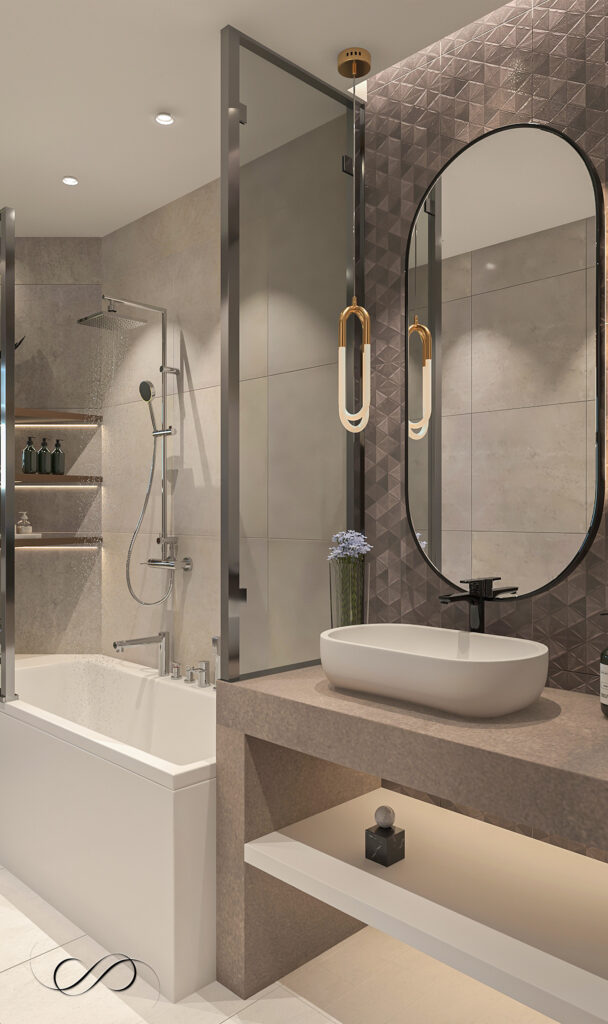
KBHS: The Best Plumbing Store in Mississauga
Finding a reliable source for quality plumbing supplies is essential for both professionals and homeowners. In Mississauga, KBHS stands out as the premier plumbing store, offering an extensive range of products, exceptional service, and competitive pricing. Whether you’re tackling a minor home repair or managing a large-scale plumbing project, KBHS has everything you need to ensure success.
Why KBHS is the Best Plumbing Store in Mississauga
1. Comprehensive Product Range
KBHS offers an impressive variety of plumbing supplies, from standard pipes and fittings to specialized tools and luxury fixtures. Their inventory caters to both residential and commercial needs, ensuring you find exactly what you’re looking for, regardless of the project size.
2. Uncompromising Quality
At KBHS, quality is paramount. They stock products from top brands known for durability and reliability. This focus on quality means you can trust that the products you purchase will stand the test of time, making KBHS a trusted partner for all your plumbing needs.
3. Outstanding Customer Service
Customer service at KBHS is second to none. The knowledgeable and experienced staff are always available to provide expert advice, whether you need help selecting the right materials or troubleshooting a plumbing issue. Their commitment to customer satisfaction sets them apart from other stores.
4. Competitive Pricing
Despite offering high-quality products, KBHS is dedicated to maintaining competitive prices. They understand the importance of affordability and strive to provide value for every customer, whether you’re buying in bulk for a commercial project or picking up a few items for a home repair.
5. Convenient Location in Mississauga
KBHS is conveniently located in Mississauga, making it easily accessible for customers throughout the area. The store is well-organized, allowing for a hassle-free shopping experience, with ample parking and easy access to major roads.
6. Additional Services
Beyond just selling products, KBHS offers a range of additional services, including professional consultations and recommendations for local installers. This makes it a true one-stop shop for all things plumbing.
Popular Products at KBHS
- Pipes and Fittings: A full selection of PVC, copper, and PEX pipes and fittings for any type of plumbing system.
- Faucets and Fixtures: High-end and durable kitchen and bathroom fixtures from leading manufacturers.
- Water Heaters: Energy-efficient models suitable for both residential and commercial use.
- Plumbing Tools: Everything from basic hand tools to specialized plumbing equipment.
- Bathroom and Kitchen Fixtures: Stylish and functional fixtures to complete your renovation projects.
Customer Testimonials
Mark S., Professional Contractor:
“I’ve been using KBHS for years, and they’ve never let me down. Their product selection is top-notch, and the staff always knows exactly what I need. It’s the best plumbing store in Mississauga, hands down.”
Sarah L., Homeowner:
“KBHS was a lifesaver during our home renovation. They had everything we needed, and the staff was incredibly helpful in guiding us through our options. I can’t recommend them enough!”
Location and Contact Information
Address:
7171 Torbram Rd Unit# 7, Mississauga, ON L4T 3W4
Phone:
+1 905 677 1376
Website:
KBHS Plumbing Store
Conclusion
KBHS has earned its reputation as the best plumbing store in Mississauga through its combination of high-quality products, exceptional customer service, and competitive prices. Whether you’re a professional contractor or a DIY enthusiast, KBHS offers everything you need to complete your plumbing projects with confidence. Visit their store in Mississauga to experience the KBHS difference for yourself.
Lorem ipsum dolor sit amet, consectetur adipiscing elit. Ut elit tellus, luctus nec ullamcorper mattis, pulvinar dapibus leo.

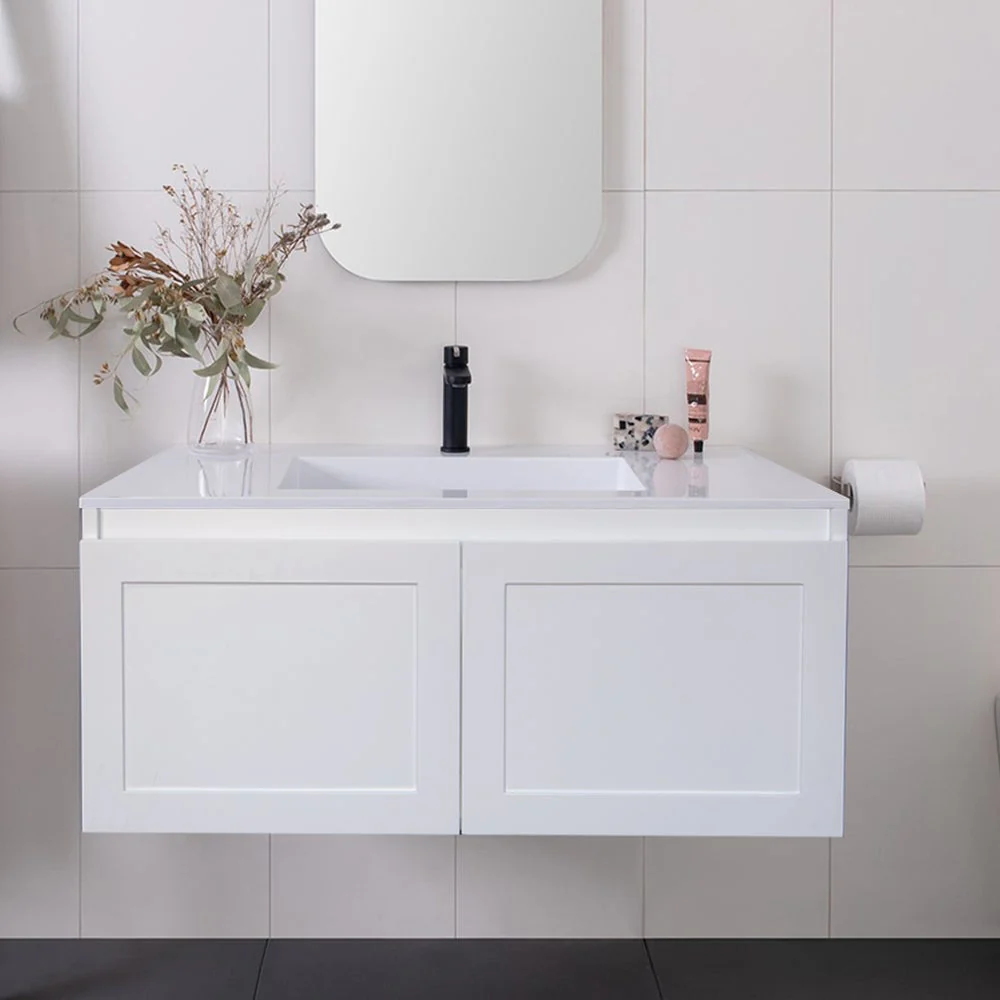
KBHS: The Best Plumbing Store in Toronto
When it comes to finding reliable plumbing supplies in Toronto, KBHS stands out as the best option. Known for its exceptional product range, quality, and customer service, KBHS has earned its reputation as the go-to plumbing store in the city. Whether you’re a professional plumber, a contractor, or a DIY enthusiast, KBHS offers everything you need to complete your plumbing projects successfully.
Why KBHS is the Best Plumbing Store in Toronto
1. Extensive Product Selection
KBHS offers an impressive selection of plumbing supplies, ranging from everyday essentials like pipes and fittings to specialized tools and high-end fixtures. Whether you’re looking for common parts or hard-to-find items, KBHS has you covered.
2. Quality You Can Trust
Quality is a top priority at KBHS. They stock products from the most trusted brands in the industry, ensuring that every item you purchase meets high standards of durability and performance. This commitment to quality makes KBHS a preferred choice among professionals and homeowners alike.
3. Exceptional Customer Service
At KBHS, customer service is taken seriously. The knowledgeable and friendly staff are always ready to assist with any inquiries, whether you need advice on choosing the right product or help with understanding complex plumbing requirements. Their expertise ensures that you get the best solutions for your needs.
4. Competitive Pricing
Despite offering top-tier products, KBHS is committed to providing competitive pricing. They understand the importance of value for money and strive to offer their customers the best deals without compromising on quality.
5. Convenient Location
KBHS is conveniently located in Toronto, making it easily accessible for customers across the city. The store’s layout is organized, allowing you to find what you need quickly and efficiently. Ample parking and proximity to other amenities add to the convenience.
6. Comprehensive Services
In addition to providing a wide range of products, KBHS also offers additional services like professional consultations and recommendations for local installation experts. These services make it a one-stop shop for all your plumbing needs.
Popular Products at KBHS
- Pipes and Fittings: A comprehensive selection of PVC, copper, and PEX pipes and fittings.
- Faucets and Fixtures: High-quality kitchen and bathroom faucets from leading brands.
- Water Heaters: Energy-efficient water heaters suitable for various residential and commercial needs.
- Plumbing Tools: A wide range of tools, including wrenches, pipe cutters, and sealants, essential for any plumbing job.
- Luxury Fixtures: A collection of premium bathroom and kitchen fixtures for those looking to add a touch of elegance to their spaces.
Customer Testimonials
John P., Professional Plumber:
“I’ve been in the plumbing business for over 20 years, and KBHS is my go-to store for all supplies. Their product range is vast, and the staff is incredibly knowledgeable. It’s simply the best plumbing store in Toronto.”
Emily R., Homeowner:
“When we renovated our bathroom, we found everything we needed at KBHS. The staff helped us choose the right fixtures, and we were impressed by the quality. I wouldn’t shop anywhere else for plumbing supplies.”
Location and Contact Information
Address 7171 Torbram Rd Unit# 7,
Mississauga, ON L4T 3W4
Phone:
+1 905 677 1376
Website:
KBHS Plumbing Store
Conclusion
KBHS has firmly established itself as the best plumbing store in Toronto. With a vast selection of high-quality products, exceptional customer service, and competitive prices, it’s the ideal place for anyone looking to tackle plumbing projects. Whether you’re a seasoned professional or a DIY enthusiast, KBHS offers everything you need to get the job done right.905 677 1376 905 677 1376
Lorem ipsum dolor sit amet, consectetur adipiscing elit. Ut elit tellus, luctus nec ullamcorper mattis, pulvinar dapibus leo.
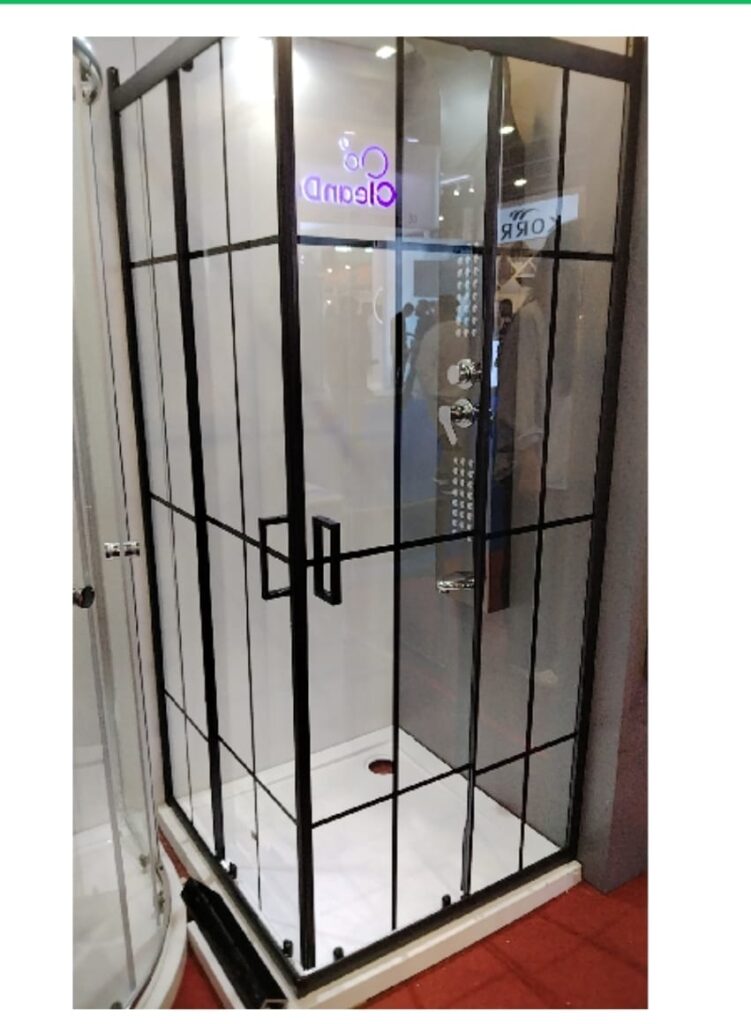
Basement renovations have become a popular trend in Canada, transforming underutilized spaces into functional and aesthetically pleasing areas. In this article, we’ll explore the world of basement renovation services, emphasizing the benefits of professional expertise in turning basements into valuable additions to homes.
Choosing the Right Basement Renovation Partner
Selecting the right basement renovation service is a crucial step in ensuring the success of your project. Homeowners should consider factors such as experience, reputation, and expertise. Professional basement renovation services bring a level of knowledge that is essential for turning your vision into reality.
Regulatory Considerations in Basement Renovation
Adhering to building codes and regulations specific to basement renovations is vital for safety and compliance. Professionals navigate these regulations seamlessly, ensuring that the transformed space meets all necessary requirements. Obtaining the right permits is a fundamental step in the basement renovation process.
Key Services Offered by Basement Renovation Experts
Professional basement renovation services offer a range of services, including customized design and planning, waterproofing, insulation, and the installation of lighting and ventilation systems. Their expertise guarantees a renovated basement that not only looks appealing but is also functional and comfortable.
Benefits of Professional Basement Renovation
Opting for professional services goes beyond meeting compliance standards. Professional basement renovation results in increased living space and functionality, enhancement of property value, and the mitigation of potential issues through expert knowledge.
Case Studies: Successful Basement Renovations
Real-life examples speak louder than words. We’ll showcase successful basement renovation projects, emphasizing the positive impact on homeowners’ satisfaction and the resale value of their properties.
Trends in Modern Basement Designs
Stay ahead of the curve by exploring the latest design trends in basement renovations. From contemporary aesthetics to the integration of smart technologies and multifunctional spaces, professionals keep homeowners informed about modern possibilities.
Budgeting for Basement Renovation
Setting a realistic budget is crucial for any renovation project. We’ll provide tips on budgeting for basement renovation, including cost-effective options for finishes and fixtures that don’t compromise on quality.
Customer Testimonials
Direct feedback from satisfied customers is invaluable. Hear from homeowners who have experienced professional basement renovation services, emphasizing the importance of a professional and efficient renovation experience.
Challenges in Basement Renovation
Every renovation project has its challenges. We’ll address common issues faced during basement renovations and how professional services can navigate and overcome these challenges, ensuring a stress-free experience for homeowners.
Selecting Quality Materials for Basement Renovation
Choosing the right materials is pivotal in basement renovation. This section will guide homeowners on selecting durable and moisture-resistant materials for basements, discussing the impact of material selection on the longevity of the renovated space.
The Process of Basement Renovation
Understanding the step-by-step process of basement renovation is essential for homeowners. We’ll provide an overview, including timelines and considerations, to help homeowners navigate the renovation journey.
Choosing Sustainable Options in Basement Renovation
With sustainability gaining importance, we’ll explore the significance of eco-friendly choices in basement renovations. From sustainable materials to energy-efficient systems, homeowners can make environmentally conscious decisions.
Conclusion
In conclusion, investing in professional basement renovation services is an investment in the functionality, aesthetics, and value of your home. This article has explored various facets of basement renovation in Canada, emphasizing the benefits of professional expertise.
FAQs
Do I need professional help for a small basement renovation?
- Yes, even small projects benefit from professional expertise, ensuring compliance and quality.
How long does a typical basement renovation project take?
- Timelines vary based on the scope of the project, with professionals providing accurate estimates.
Can I transform my basement into a rental unit?
- Yes, professional basement renovation services can help you create a functional and legal rental space.
What are the common challenges in basement renovations?
- Challenges may include moisture issues, proper insulation, and adherence to building codes, which professionals can address effectively.
Are there eco-friendly options for basement finishes?
- Absolutely, professionals can guide you in choosing sustainable materials and energy-efficient systems for your renovated basement.